90th minute. Penalty kick. The kicker places the ball on the spot.
You’re standing on the line. Your hands are relaxed, your gaze steady. You know exactly what’s coming next because you’ve gone over it a hundred times this morning. Not in practice. In your head.
The run-up. The shot. You dive to your left, the ball lands in your hands. Not luck. Preparation.
That’s exactly the point. This moment doesn’t start with the penalty kick whistle. It starts with what you did in the hours and days leading up to it: how you slept. How you warmed up. Whether your head was clear before the first ball was kicked.
The difference between a good goalkeeper and an outstanding one often isn’t talent. It’s preparation.
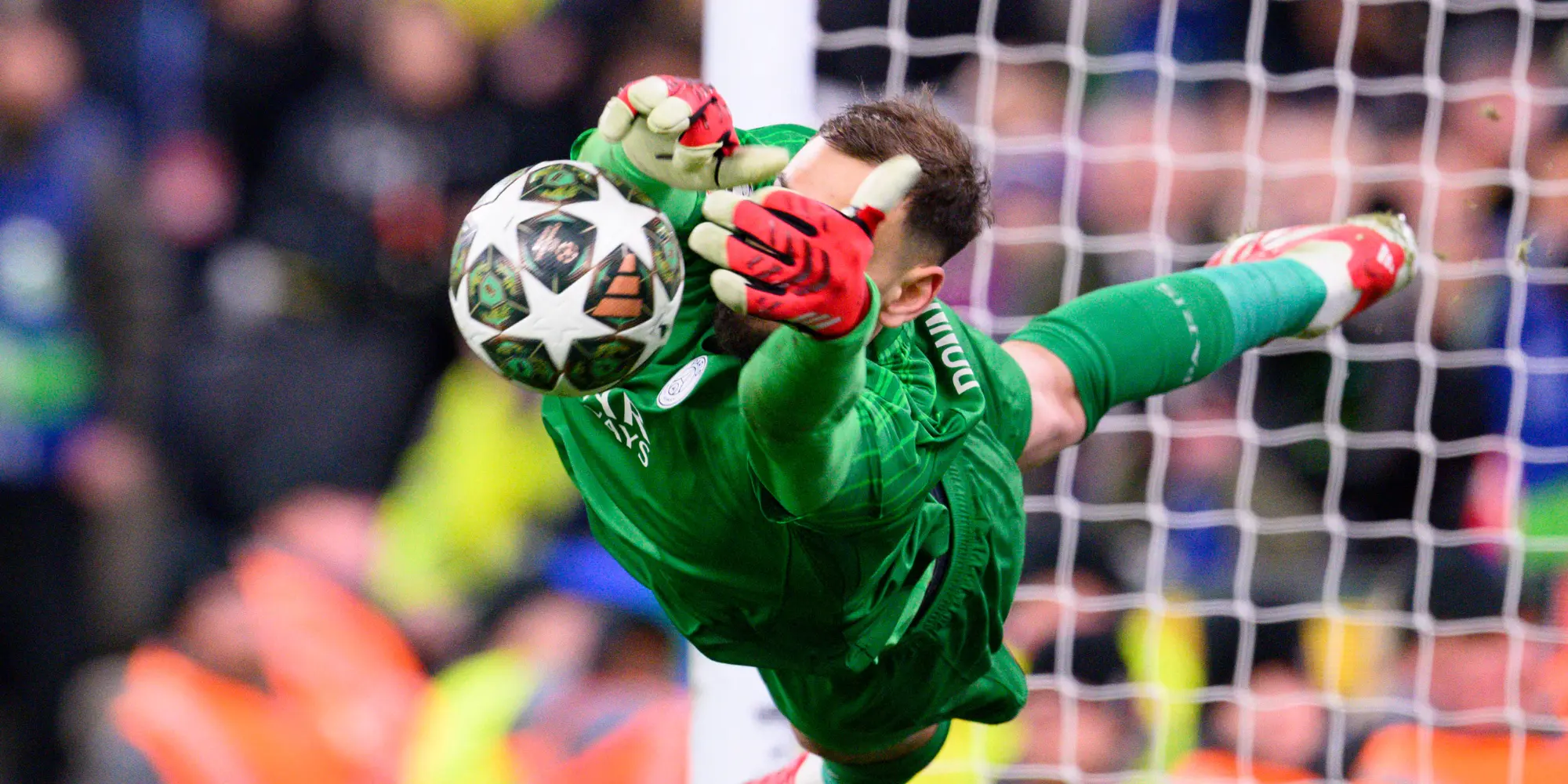
The best way to prepare for your next game
The difference between a good goalkeeper and an outstanding one often isn’t about talent. It’s about preparation.
A goal in the 90th minute that you could have saved. A simple cross that slipped past you. A moment when your mind wasn’t where it should have been. Who hasn’t been there? Most of the time, a bad game doesn’t start with the opening whistle, but many hours before, when you neglect your preparation or leave it to chance.
A clear routine that systematically prepares your body and mind for the game isn’t just a nice-to-have. It’s your duty as a goalkeeper. Here’s how to structure the days and hours leading up to kickoff.
The week before: Lay the groundwork, don't improvise
Pros know it, but amateur players often forget: game preparation doesn’t start on game day, but during the training week leading up to it. What you do—or don’t do—in the 72 hours before a game plays a major role in how fit and focused you are on the field.
Sleep is your most important training tool. Getting 7 to 9 hours of sleep per night—especially in the three days leading up to the game—isn’t just a recommendation. It’s a performance factor. Lack of sleep impairs your reaction time, spatial awareness, and decision-making speed—exactly the skills that matter most as a goalkeeper. Keep your sleep schedule consistent. Avoid screens for at least 60 minutes before going to sleep.
Nutrition and hydration. No goalkeeper runs endless sprints, but intense reflex situations and jumps still take a toll on your body. Make sure to get enough carbohydrates and stay consistently hydrated in the two days leading up to the game. Going into a game dehydrated slows down your own nervous system.
The final practice. Ideally, the practice two days before the game should be your last intense session. On the day before, just warm up—no strength or endurance training. Your body needs time to recover.
Game Day: Flip the switch in the morning
For many goalkeepers, the morning of a game day begins with a mix of nervousness, listlessness, and too much scrolling. Not a good start.
Get up with intention. Not too late, not too early. Give yourself time for a calm breakfast: easy to digest, high in carbs, not heavy. A short morning movement routine—whether it’s ten minutes of stretching, a quick walk, or simply mobilizing your hips and shoulders—activates your body and signals to your nervous system: Today is game day.
Avoid sensory overload. Many goalkeepers start game day with a barrage of news, social media, and loud playlists. If noise and adrenaline are your thing, perfect. If you’re more the type who enters your performance zone through calm, actively protect that calm this morning.
Mental Preparation: Your Mind Makes All the Difference
No aspect of game preparation is neglected as often as the mental side. Yet every action in goal begins and ends in your mind.
Visualization. Sit down, close your eyes, and run through the game. Not the result, but your actions. How you come out for the first corner kick. How you brace yourself for a penalty kick. How you refocus immediately after a mistake. Visualization isn’t a wellness technique; it’s cognitive training. Your brain barely distinguishes between imagined and actual actions when it comes to movement patterns.
Know and control your activation level. Are you the type who is too calm before the game and only gets going through music or team interaction? Or do you run the risk of overdoing it due to tension and making mistakes because of too much pressure? Know your optimal activation range and use targeted methods: breathing exercises, music, conversations, silence. You need your own system, not someone else’s.
Routine as an anchor. The more consistent your preparation, the less mental bandwidth your brain needs for orientation, and the more capacity remains for the game. Small rituals—whether it’s the same song while getting dressed, a specific order when putting on your gear, or a short phrase in your head—are not superstition. They put the nervous system into a familiar, controlled state.
The Warm-Up: Getting Your Body and Technique in Top Shape
A good warm-up isn’t just a formality. It’s the final step before the real action begins.
Phase 1: Mobilization (5 to 7 minutes). Dynamic stretching of the hips, shoulders, ankles, and lower back. No static stretches right before the game. Circular movements, lunges, arm circles. Your goal: joint mobility and blood circulation.
Phase 2: Activation (5 minutes). Short, explosive movement sequences. Side-to-side movements, short sprints, squat jumps. Your nervous system needs to shift into high gear.
Phase 3: Technical Activation (10 to 15 minutes). Now it’s time to get down to business. Catch the first few balls from close range. Flat passes to the left and right. Then goal kicks. Then shots with increasing intensity. No goalkeeper should face the first real shot of the game without having touched at least 15 to 20 balls beforehand. Your hands and gloves must be warm and have a good grip before the whistle blows.
Just before kickoff: Let go and settle in
The final minutes before the game are no longer about preparation. They’re about being fully present.
Stop analyzing. Step out of the whirlwind of thoughts for a moment. Take a deep breath, take in the atmosphere, be present in the moment. You’ve done everything you could. Now it’s time to play.
Talk to your defense. One or two clear sentences before kickoff: Who covers the box on corner kicks, who stands on the left, who communicates on set pieces. No long tactical discussion. Just clarity.
And then: Trust your preparation.
Summary: Your Game Day Checklist
✅ Three days before: Prioritize sleep, finish intense training, stay well-hydrated.
✅ The night before: Prepare equipment, dampen gloves, go to bed early.
✅ Game day morning: Light breakfast, brief warm-up, calm routine.
✅ Two hours before: Mental preparation, visualization, manage activation level.
✅ Warm-up: Mobilization, activation, technical session with gradually increasing intensity.
✅ Kickoff: Presence, communication, confidence.
Conclusion:
A bad game happens. A bad game due to poor preparation will only happen to you once if you draw the right conclusions.
Stay up to date
Read more
:- Catching Crosses with Confidence – Technique, Timing, and Drills for the Modern
Goalkeeper- Improving Reaction Time – How to Train Like a Pro-
The Goalkeeper as a Leader: Why Communication Decides Games – Goalkeeper Communication in Detail: The 5 Communication Styles in Goalkeeping